Jon Solo Sebastian 07/13/2024:
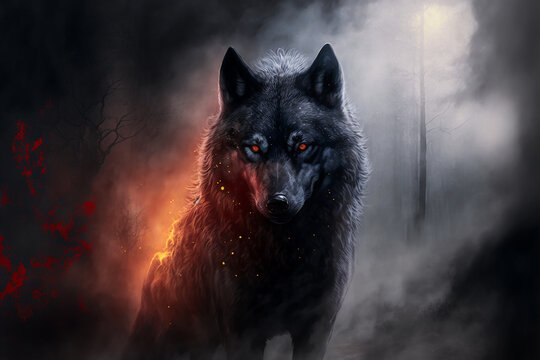
I’ve been rewatching Game of Thrones lately, and one of my favorite houses is, of course, House Stark. Their sigil is the Dire Wolf, and if you’re familiar with the series, the Starks stumble onto a litter of Dire Wolves. Each child of Ned Stark gets one for a pet, and these beautiful creatures become extremely loyal to the children and to a few people close to the family. Being an animal lover, most people that know me refer to me as the animal whisperer. I once mentioned that I’d love to try to pet a bear, and the response to that was, “the bear would probably let you!” I find dire wolves fascinating due to their actual existence, and how they’re portrayed in the series. Notice I refer to Game of Thrones as a series—I’ve only ever read the first book, so it’s more of a TV series than a book series for me. The book was fantastic; I just never dedicated the time to read through all of them. Back to the point about me being an animal lover, I would absolutely love to have a pet Dire Wolf!
What is a Dire Wolf?
For starters, the dire wolf is the largest wolf to ever roam planet earth. It was roughly 20% larger than the gray wolf (which is a darn big wolf, itself). The “Dire wolf, (Aenocyon dirus), canine existed during the Pleistocene Epoch (2.6 million to 11,700 years ago). It is probably the most common mammalian species to be found preserved in the La Brea Tar Pits in southern California. The dire wolf differed from the modern gray wolf (Canis lupus) in several ways: it was larger and it had a more massive skull, a smaller brain, and relatively light limbs.”
I feel it’s necessary to briefly cover what the La Brea Tar Pits are; especially considering how many dire wolves were found there. In Hancock Park, California, the area was a site of crude oil oozing springs. The tar pits are thick and sticky pools of asphalt that became a trap for prehistoric animals among other things. Over 3.5 million fossils have been excavated from the tar pits, and they’re still digging for more. “The Tar Pits have fascinated scientists and visitors for over a century, and today, this area is the only actively excavated Ice Age fossil site found in an urban location in the world.” They’ve found fossils ranging from mammoths and sloths to microscopic insects and plants just to name a few aside from the dire wolf.
The La Brea Museum has a display/recreation of a mammoth getting trapped in tar in what they call Lake Pit. Lake Pit is one of the tar pits that have collected rain water above the asphalt, which turned it into a lake—no swimming in that thing or you could wind up being the talk of the town in 50,000 years! If you’re planning a vacation to Los Angeles, California, this museum sounds like a fantastic day visit.

Gray Wolves and Dire Wolves
Gray wolves and dire wolves roamed the earth together for thousands of years before the dire wolves went extinct, and while they look similar, they’re not related. Dire wolves were heavier due to a more muscular body; they had large heads, extremely sharp teeth that are described as being less for chewing and more for tearing. With their powerful jaws and sharp teeth, it is said they would break and tear their prey apart while barely chewing their food before swallowing it. Like the gray wolves, they hunted in packs. Unlike gray wolves, they hunted larger prey like horses, bison, sloths, mastodons, and camels. Yes, camels. Something I learned today is camels lived here in North America during the Ice Age.
Over time the usual prey for the dire wolves started to become scarce. They would scavenge kills from other large predators that left food behind because they weren’t able to compete with the gray wolves who had much of the smaller prey covered. Once the megafauna (larger animals) started dying off due to the climate changing, the dire wolves couldn’t survive on table scraps and eventually died off. Much like many other animals lost to the ever changing world, it’s a sad ending to a fascinating and beautiful creature. I think in most cases if the dire wolf was still around today, you’d probably want to run from it. On the other hand, I might risk my life for a chance to pet one!


 jonsolosebastian.org