Jon Solo Sebastian 12/16/2024:
Do you remember back when you were a youngling on Christmas Day? You couldn’t wait to run to the tree to see all the glorious gifts under it for you to open. What is/was the last thing most kids want for gifts? If you answered: clothing, you’re correct. Imagine getting some new socks for Christmas and not wearing them; no big deal in America, but if you live in Iceland, the Yule Cat is likely adding you to its list. The list isn’t your typical naughty list. It’s bad, like really bad. More on that in a moment.
What is the Yule Cat?
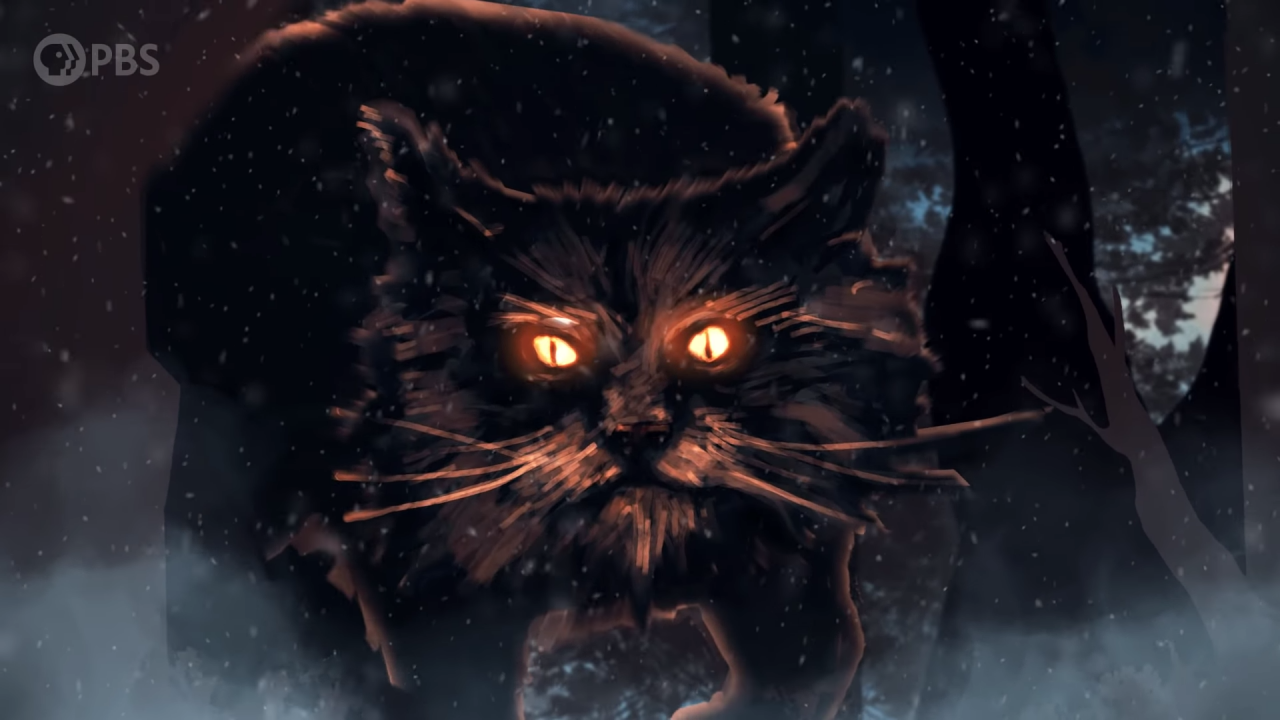
It’s a massive creature from Icelandic folklore likely used as a device to keep folks in line and promote good behavior. It creeps around the country on Christmas, and is said to be a shaggy-furred black cat with glowing eyes. Sounds fine, right? Oh, I forgot to mention it allegedly towers over the tallest of homes. Do they make saddles for an animal that big? If I ever meet a cat that large, I’m trading in my truck and recruiting the Yule Cat for my transportation.
Why does the Yule Cat, or Jólakötturinn, want you to wear your new clothing, or pink bunny suit you received for Christmas? My simple guess is this: Parents worked hard to earn the money to pay for those clothes and want their children to respect that and wear them, so they tell their kids the Yule Cat will come and eat them—the kids, not the clothes; just so we’re clear.
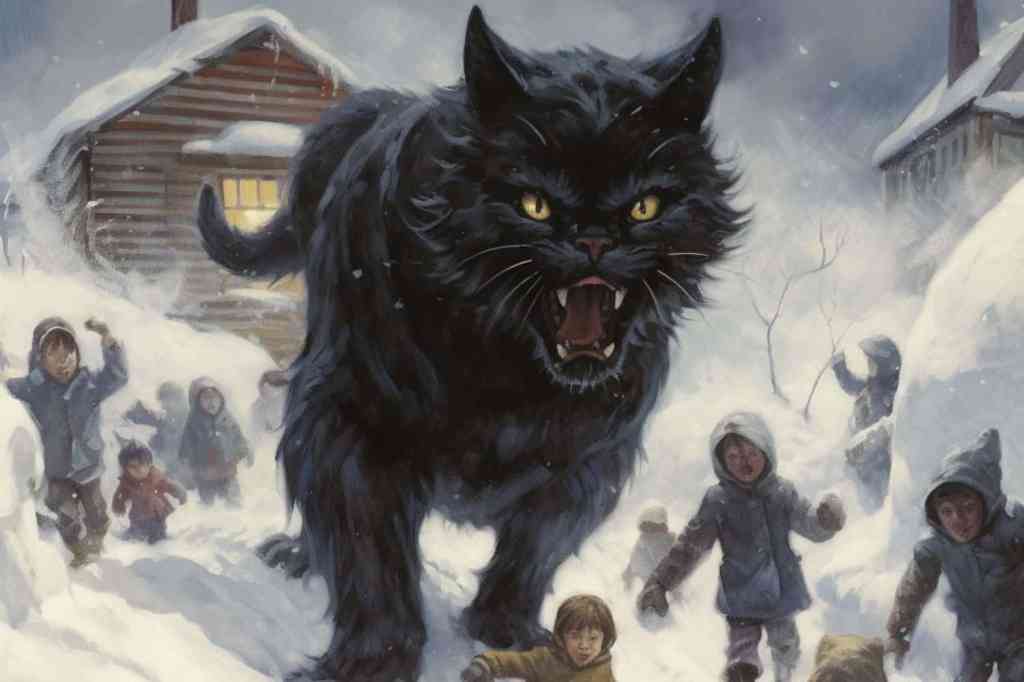
In fear of being attacked (eaten) by the Yule Cat, the children gladly put on their new clothing. Imagine if Ralphy, in A Christmas Story, hadn’t put on the bunny suit, and a Yule Cat comes out of nowhere and attacks him. That certainly would have turned a classic Christmas movie into a horror film. Fortunately, he wore the bunny suit, and the Yule Cat went about its business.
Side Note:
Björk, an Icelandic singer, songwriter, and composer, turned Jólakötturinn into a hit song. You can check that out here: Björk – Jólakötturinn (Christmas Cat), 1987

The poem is generally accepted as the origin story; however, it appears to date back much further, and according to one source it dates back to the 17th century where the Yule Cat was mentioned in literary form written by Icelandic Folklorist Jón Árnason. He tells the same tale about a large evil beast who stalks homes on Christmas, or Christmas Eve and consumes anyone who did not wear the new clothes they were gifted. This is one of those cases where either every child, for centuries, immediately puts on their new Christmas clothes to ensure the Yule Cat doesn’t come for them or you know, maybe the Yule Cat is a myth. I’m going with myth on this one, though to be honest, I’d love to meet the Jólakötturinn because it’s really just a big monster floof and I’d want to pet it.


 jonsolosebastian.org