
Jon Solo Sebastian 12/19/2025:
A long time ago in Finland, Santa wasn’t known as Santa or the Joulupukki. He was more like a creature from ancient folklore who was a rather frightening sight to see. The Nuuttipukki, or Christmas Goat, was a goat-like creature with a face like a horror movie mask with horns on his head. The Nuuttipukki sounds a little like Krampus in appearance. Aside from the “mask,” he’d wear animal skins, and carry twigs or sticks to scare the townspeople into giving him treats. He demanded leftover food and drink, and if he was declined, he was said to cause mischief and was even said to attack folks with his twigs/sticks. While the Nuuttipukki is still part of tradition, he, over time, transitioned into Joulupukki, or Santa or Yule Goat, which is a much more cheerful and friendly fellow.

Before Christianity made its way into Finland, the Yule Goat was said to be a mythical creature that would join Finnish Shamans who were on their trek to the afterlife. As a hint toward its transition into becoming Finnish Santa, he was believed to bear gifts and blessings along the journey.
The argument isn’t whether or not the Joulupukki or Finnish Santa, or the Yule Goat are real figures in modern times or folklore; it’s about what they brought to the community by way of their message, and their gifts—both physical and spiritual. Stories of the Joulupukki are often filled with tales of kindness, generosity, and looking out for your community. While being kind and good are always important, we have to put ourselves back a few hundred years to realize how rough the winters could be without heated homes, heated cars, and all of that. Harsh winters that our ancestors survived because they had to, but they needed support and needed to support others as a community… something I strongly believe humanity has fallen far away from these days. The Joulupukki and his message brought and still brings warmth and joy during the dark winter days.
Joulupukki, Santa, and Christmas

As time went on, much like the Krampus-ish version of the Yule Goat, Joulupukki has transformed into being and looking like the global image of Santa Claus. He still represents his original spirit and meaning in Finnish culture, but he and the people, have adopted many of the modern practices of Santa and all he brings to humans around the globe. The thing is that they were already so similar. If I wanted to guess, I’d say that is because they are the same people. Many of the classic Christmas traditions have found their way into a lot of homes in Finland—things like decorating Christmas trees, gift giving, and holiday treats have become part of the norm. They have not let go of their core Joulupukki traditions, however, and they (and tourists) still visit Lapland, which is his home, and they still emphasize generosity, kindness, and community… things we all should focus on not just during the holiday seasons, but all day every day. My little message here is that if we all practice the traits of Joulupukki on a daily basis, we can make this world a much better place.
Lapland and Holiday meals
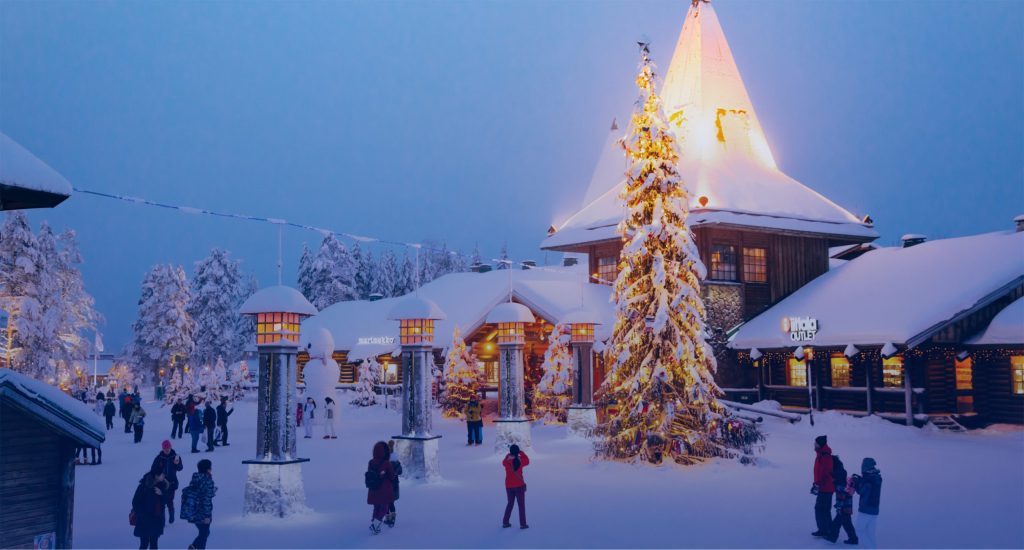
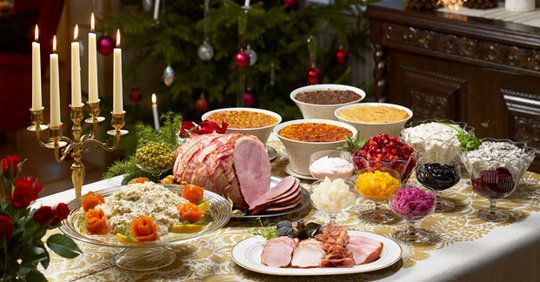
Lapland is the largest and most northern region of Finland, so here’s another connection to Santa Claus because the North Pole is Santa’s home, and Lapland is Joulupukki’s—note the most northern locations. The difference is there are events and tours at Lapland. Rovaniemi, the official hometown of Finnish Santa and his wife, is a place where kids and adults go to visit him, and they can participate in activities like dog sledding, reindeer sledding, and skywatching for northern lights, along with other festivities. The forest is covered in snow to add to the magical wonderland of Christmas time.
I have to include some of the foods they indulge in around the country during Christmas. Some are similar to other parts of the globe, but it all sounds delicious, and was perfectly described over on All Things Nordic:
One thing I’ve always loved and found interesting ever since my college years is learning about other cultures, countries, and religions. More often than not, you’re able to connect so many dots and realize just how connected we all really are. That is essentially what we see here: Joulupukki and Christmas are very similar to Santa Claus and Christmas—because it all started somewhere as one thing, and had been adopted by cultures all around the globe.
My hopes are that more people realize this so we can all work together to make life and the world a more joyful and kinder experience, and a kinder, gentler place to live.
Thank you for being here and reading my words. It means the world to me. I hope you all have a wonderful and healthy holiday season. I might post one more thing before the new year, but if time doesn’t allow for that, I will be back at this in January of 2026. Bless you all!


 jonsolosebastian.org