Jon Solo Sebastian 10/23/2026:
If you’ve been following me for a while, you might be wondering why it has taken me this long to write about the origins of Halloween, ha ha. The truth is, I never really considered it because I get caught up in all the things imbedded in Halloween celebrations rather than where it all began. So this week, as we’re just about a week away from Halloween, I thought I’d dip my toes into where and how Halloween began.
All Hallows Eve, better known as Halloween
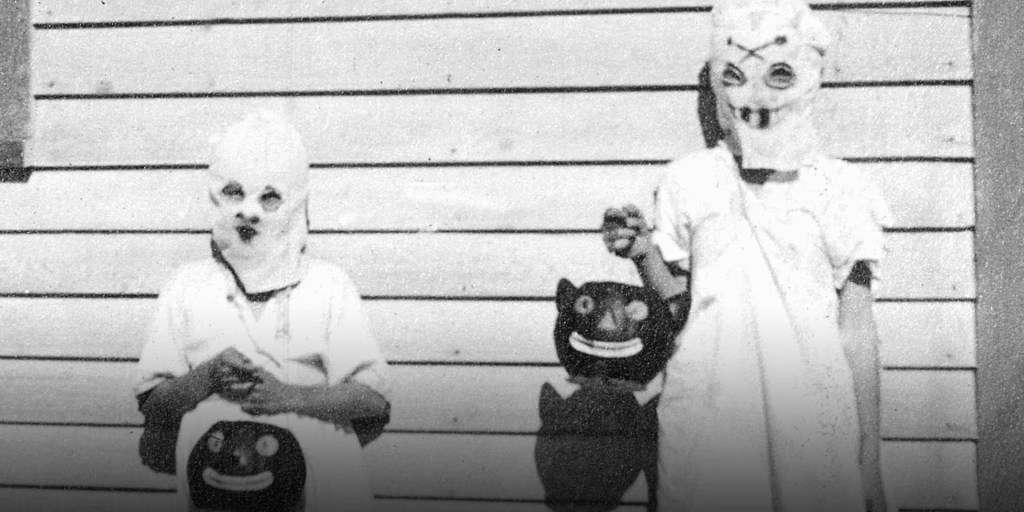
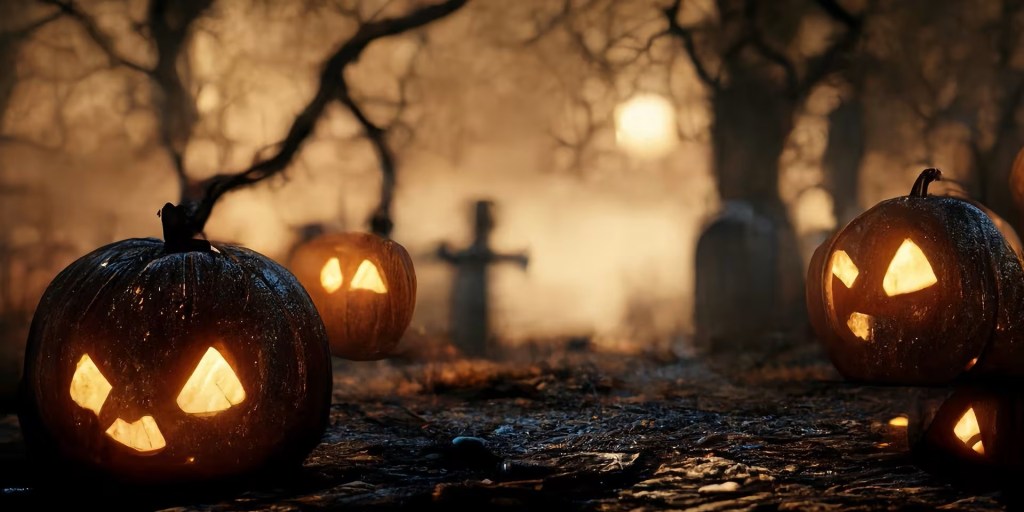
Halloween, October 31st, is a holiday that is observed and celebrated annually. Many consider it to be a celebration of evil, or the devil, but is it? We trace its origin back to Paganism, but it’s also deeply rooted in Christianity. That said, it is considered a nonreligious “holiday.” In many parts of the world, including Europe and North America, it is a day filled with parties, dressing in costumes, carving pumpkins, and one of the most fun things in my childhood—trick or treating! Some folks, like myself, make a month out of it. My front yard becomes an attraction in our neighborhood due to the fun displays I make and set up. Then we decorate the inside of the house with all sorts of Halloween items. There are Halloween themed movies and “scary” movies being watched in our house all month… of course we watch these movies throughout the year as well, but Halloween month is filled with a little extra!
So we’ve traced its origins back to Pagan history, but how did it start. I promise to give you a short version rather than a history lesson ha, ha.
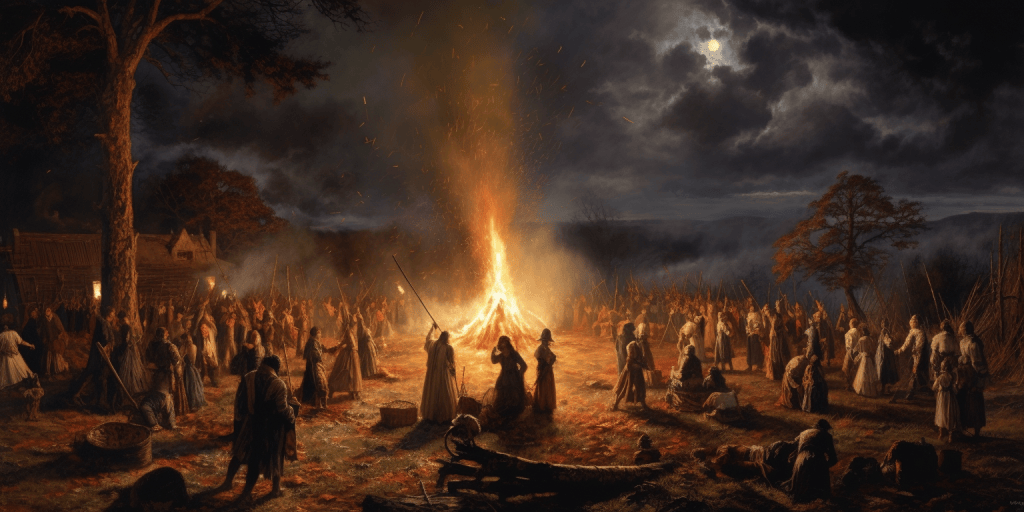
It was believed that during this time, that unrested spirits could roam the earth, and could try to take adults or children with them when they returned to the land of the dead. This is reportedly where the idea of costume wearing originated. People wore masks and other “disguises” to try to confuse the evil spirits into thinking they were one of them. Some folks would light large bonfires on tops of hills to both relight their hearth’s and to hopefully scare off nearby evil spirits. People would also mark their doors with the blood of animals to ward off evil spirits. Here’s a question: where were they getting the animal blood for this? Hopefully they weren’t sacrificing animals because they may have been unknowingly inviting the evil spirits by doing that.
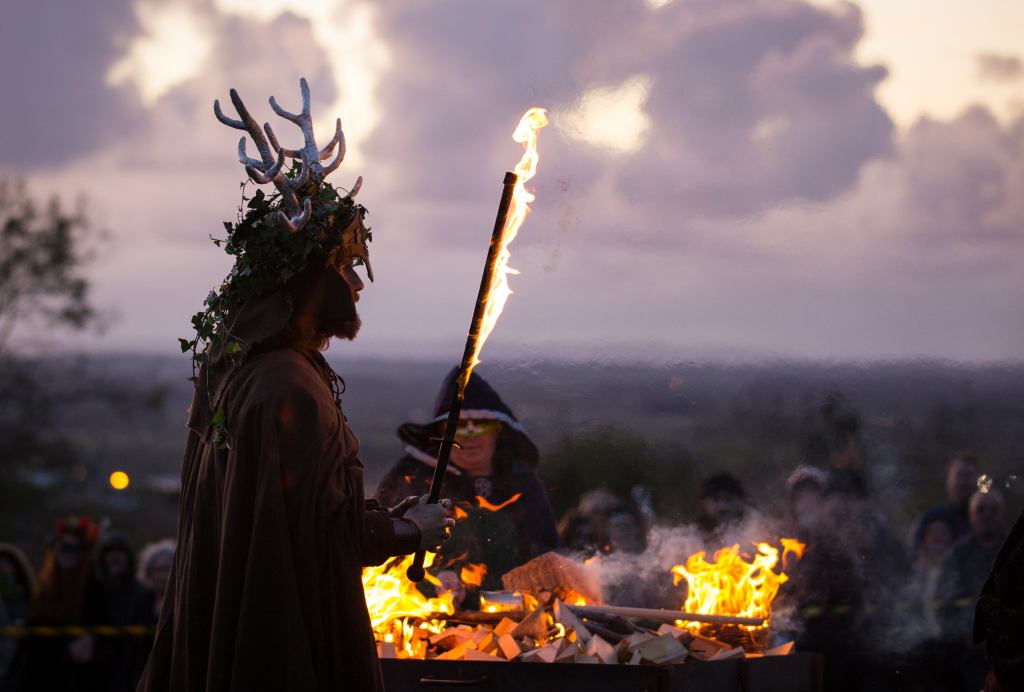
Over time, Christian views and beliefs began to blend with some Pagan rituals, along with displacing others. In this time, the term “All Hallows Eve” was changed to “Hallows Eve,” and that was eventually shortened to Halloween. All Hallows Eve is a day dedicated to remembering the dead, while All Hallows or All Saints Day is a day to honor all Christian saints who have lived holy lives and have gone to heaven.
So to sum up, the actual celebration of Halloween is not an act of evil. It is a day that might involve evil spirits crossing the line between the land of the living and the land of the dead, but costume wearing isn’t an act of devil worship or anything like that; it’s actually the opposite—it is meant to scare off the evil spirits. Also, dressing up in costumes and trick or treating is a fun time for children… and adults. It is also the time of the year when livestock were brought in and crops were stored for the long winter.
What do you do on Halloween? Do you dress up? Do you go to parties? Do you decorate your home? Watch scary movies?